


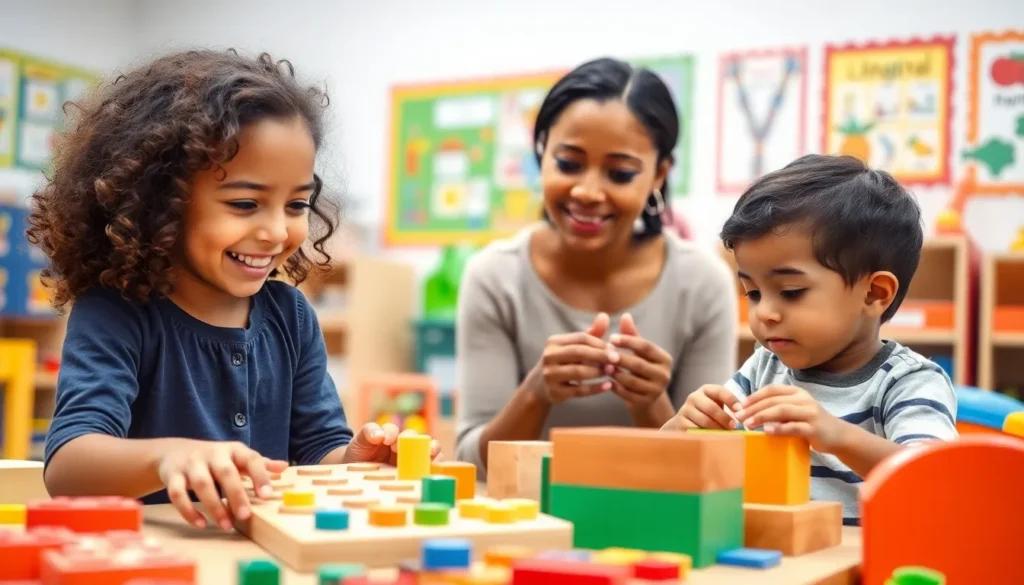
Transitioning to preschool marks a significant milestone in a child’s development. It’s a time filled with excitement, curiosity, and a touch of anxiety for both kids and parents. This new environment introduces children to structured learning, social interactions, and a variety of activities that foster growth and independence.
Understanding the preschool transition process is crucial for parents. They play a vital role in helping their children adjust to this new chapter. By preparing in advance and knowing what to expect, families can make this journey smoother and more enjoyable. Embracing this change can set the foundation for a lifelong love of learning and help children thrive in their educational adventures.
Understanding Preschool Transition
Preschool transition marks a pivotal moment in a child’s educational journey. This process involves children moving from home or other early care settings into a structured preschool environment.
Definition and Importance
Preschool transition refers to the period when children shift from informal caregiving to structured preschool education. This transition is crucial because it sets the foundation for future learning experiences. Research shows that a smooth transition leads to better social skills, increased self-confidence, and a positive attitude towards learning. Parents play a vital role in preparing children for this change, which influences their adjustment and development in the new setting.
Stages of Transition
Transitioning to preschool involves several stages, each with specific characteristics:
- Preparation Stage: Parents gather information about preschools, visit potential programs, and discuss options with children to ease anxiety.
- Orientation Stage: Children visit their new preschool environment, meet teachers, and engage in activities to familiarize themselves with the setting.
- Adjustment Stage: This phase includes the initial days or weeks of attending preschool, where children navigate new routines, make friends, and adapt to structure.
- Ongoing Adjustment: Children and parents continue to support learning and emotional growth as they establish comfort and familiarity with the preschool environment.
Understanding these stages helps parents recognize the emotional and social changes that occur during this period, allowing them to provide appropriate support and encouragement.
Factors Influencing Preschool Transition
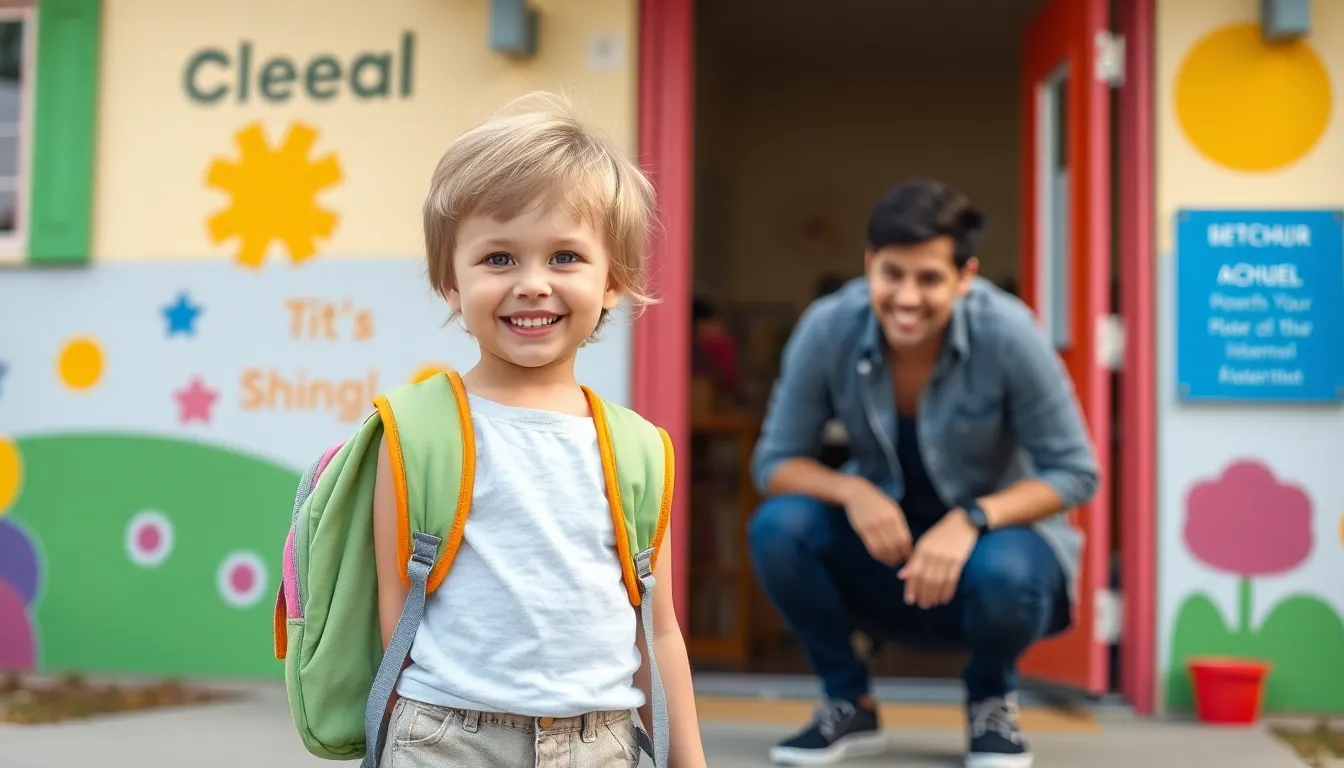
Several factors influence a child’s transition to preschool, impacting their adjustment and overall experience. Understanding these elements can help parents provide essential support for their children.
Child’s Readiness
A child’s readiness for preschool significantly affects the transition process. Cognitive development, social skills, and emotional maturity all play critical roles. Children demonstrating curiosity and a willingness to learn adapt more quickly to structured settings. Research highlights that children capable of self-regulation and following instructions show better adjustment. Additionally, prior exposure to social interactions facilitates ease in making new friends and adjusting to group settings.
Family Involvement
Family involvement is essential during the preschool transition. Parents who actively engage in their child’s preparations contribute to a smoother experience. Communication between families and educators fosters a better understanding of expectations. Families can enhance their child’s confidence by discussing upcoming changes and attending orientation events together. Furthermore, maintaining routines at home provides stability, helping children cope with new surroundings. A supportive family environment encourages children to embrace the transition with enthusiasm.
Strategies for Successful Preschool Transition
Successful preschool transitions require careful planning and emotional support. Various strategies help children adjust smoothly to this new phase, fostering a positive experience.
Preparing Children Emotionally
Preparing children emotionally for preschool involves building their confidence and addressing possible anxieties. Parents can:
- Encourage Open Dialogue: Facilitate conversations about preschool, allowing children to express their feelings and curiosities.
- Foster Independence: Promote self-help skills, such as dressing themselves and managing personal belongings, to boost confidence.
- Practice Routines: Simulate the preschool experience at home by establishing consistent routines that mirror the daily schedule children will encounter.
- Introduce Social Interaction: Arrange playdates to enhance social skills, helping children become comfortable in group settings.
Engaging with Educators
- Attend Orientation Events: Participate in orientation sessions to familiarize children with their new environment and build relationships with staff.
- Communicate Regularly: Maintain open lines of communication with teachers, discussing children’s progress and any specific needs or concerns.
- Share Insights: Provide educators with information about children’s interests and anxiety triggers, allowing for tailored support.
- Volunteer: Offer to assist in the classroom or events, demonstrating active involvement that reassures children and strengthens parent-teacher connections.
Challenges in Preschool Transition
Several challenges arise during the preschool transition, impacting both children and parents. Understanding these challenges is crucial for facilitating a smoother adjustment process.
Common Barriers
- Separation Anxiety: Many children experience anxiety when separating from their parents, demonstrating fear of the unknown and fear of being apart from family.
- Establishing Routines: Shifting from home-based routines to structured preschool schedules can disrupt a child’s sense of stability.
- Social Skills Development: Some children may struggle with sharing, taking turns, or interacting with peers, leading to difficulties in adapting to group settings.
- Communication Gaps: Parents and educators may not exchange vital information about a child’s needs, limiting effective support during the transition.
- Child’s Readiness: Not all children possess the emotional, social, or cognitive readiness required for preschool, creating additional challenges in adjustment.
Solutions and Support
- Open Communication: Encouraging dialogue between parents and educators facilitates shared understanding of children’s unique needs and concerns.
- Gradual Exposure: Gradually introducing children to the preschool environment through visits can help alleviate anxiety and build familiarity.
- Routine Practice: Establishing consistent home routines that mimic the preschool schedule prepares children for the new structure, promoting a sense of security.
- Socialization Opportunities: Arranging playdates or participation in group activities allows children to practice crucial social skills before preschool begins.
- Emotional Support: Providing reassurance and discussing feelings openly helps children address their anxieties, fostering a positive outlook on the transition.
Navigating the preschool transition is a pivotal journey for both children and parents. By understanding the stages and challenges involved, families can create a supportive environment that encourages confidence and enthusiasm. Engaging in open communication and preparing emotionally helps children embrace their new learning experiences. With thoughtful planning and active involvement, parents can significantly ease their child’s adjustment to preschool. This transition not only sets the stage for future educational success but also fosters a lifelong love of learning. A positive start in preschool can make all the difference in shaping a child’s development and social skills.