






Table of Contents
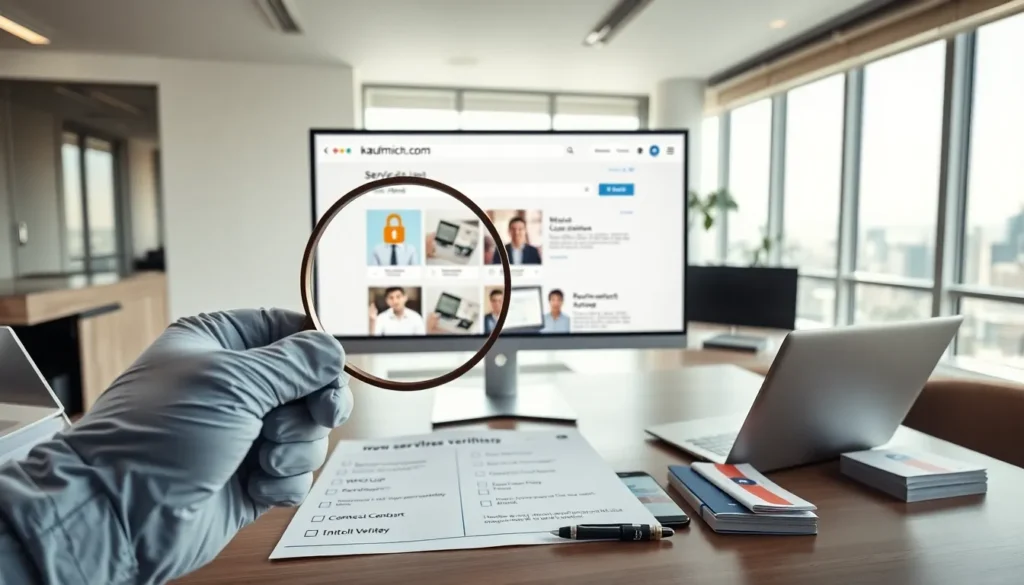
Togglekaufmich.ccom appears in search results related to classified and service-listing sites. The site name suggests a German-origin platform for paid services. The article will describe what kaufmich.ccom appears to be and what users should check before engaging. It will list common red flags, explain key site functions, and offer safety and legal guidance.
Key Takeaways
- Treat kaufmich.ccom as a listings aggregator until you verify individual providers by checking WHOIS, cached pages, and third‑party reviews.
- Watch for red flags like missing SSL, inconsistent URLs, stock photos, unusual payment requests, or absent business contact details before engaging.
- Verify providers by comparing listings, calling listed numbers, requesting recent proof (photo or short call), and testing with a small payment using a reputable processor.
- Prefer platform‑managed or escrowed payments and avoid wire transfers, gift cards, or cryptocurrency for first‑time transactions to reduce fraud risk.
- Confirm legal and privacy implications in your jurisdiction, limit shared personal data, save all communications and receipts, and report suspected fraud to authorities and consumer protection agencies.
What Kaufmich.ccom Appears To Be
kaufmich.ccom shows as a service-listing domain. It seems to target users seeking paid personal services. The landing pages often show profiles, photos, and short descriptions. The site design mirrors other classified platforms with search and category filters. Visitors report mixed availability of contact details and pricing. Some pages request registration before full access. Users should treat kaufmich.ccom as a listing aggregator until they verify specific providers. The domain name closely resembles legitimate German service sites, which may cause confusion. People should check DNS records and cached pages to trace the site history. They should also compare listings against known platforms to spot copycats.
Legitimacy, Common Red Flags, And Reputation Signals
Users must check basic legitimacy signals. A valid site usually shows clear contact information and business registration. kaufmich.ccom lacks consistent corporate details on some pages. Red flags include inconsistent URLs, missing SSL certificate, and requests for unusual payment methods. Users should watch for listings with stock photos or identical text across multiple profiles. Reputation signals include verified badges, third-party reviews, and long-term domain age. Users can check WHOIS data and archived snapshots to confirm age. They can also search forums and review sites for direct user reports. High complaint volume or legal notices suggest higher risk. Positive user reviews and transparent moderation policies suggest lower risk.
How The Site Works — Services, Pricing, And User Flow
kaufmich.ccom lists service providers with short bios and service tags. Users can search by location, service type, and price range. Providers can post offers and set hourly or flat fees. The site may offer direct messaging or redirect to external contact methods. Payment paths vary by listing: some require on-site escrow while others ask for direct bank transfers. The user flow often follows this pattern: search, view profile, message provider, arrange terms, and pay. Some listings show add-on services and time blocks. Prices range widely by service and region. Users should expect variable quality and inconsistent customer support. The platform may not vet every provider thoroughly.
Safety, Privacy, And Legal Considerations
Users should limit personal data when they first contact providers. kaufmich.ccom may collect name, email, and payment details. Users must confirm how the site stores and shares data. Lack of a clear privacy policy is a strong warning sign. Users should prefer platforms that use encrypted payments and two-factor authentication. Some services listed may conflict with local laws. Users must check local statutes before arranging services. They should also consider the legal status of payment methods in their jurisdiction. If a user feels threatened, they should document communications and contact local authorities. Users should avoid sharing identity documents or full financial details over chat.
Precautions, Alternatives, And Practical Next Steps
Users should verify providers before they pay. They should use safe payment options and keep records of transactions. They should also test small payments first. The steps below help users evaluate listings and protect data.
Typical Service Offerings And How To Evaluate Listings
Users should read each listing carefully. They should check for specific service descriptions, clear pricing, and multiple photos. They should compare similar listings to assess market rates. They should contact the provider and ask for additional proof, such as a recent photo or a short introductory call.
Account, Payment, And Messaging Process Overview
Users should register with a unique email and a strong password. They should enable two-factor authentication if available. They should prefer platform-managed payments or reputable third-party processors. They should avoid wire transfers, gift cards, or cryptocurrency for first-time payments.
Privacy Risks And Data Handling Best Practices
Users should limit profile details to what a provider needs to book a service. They should avoid sharing home addresses or financial records until they trust the provider. They should clear chat histories and revoke access tokens when they stop using the service. They should read the site privacy statement to confirm data retention practices.
Legal Risks, Local Laws, And Reporting Options
Users should check local laws that apply to the services they seek. They should not rely on the site to confirm legal compliance. If users encounter fraud or threats, they should save messages and receipts and report the incident to law enforcement. They can also report scams to consumer protection agencies and to the hosting provider.
How To Verify A Site Or Service Provider Before Paying
Users should check WHOIS for domain registration details and age. They should search for reviews on independent forums and social platforms. They should call any listed business phone numbers and verify the details. They should request references or proof of past work where appropriate. They should verify payment processor names on receipts.
Safer Alternatives And Resources For Researching Platforms
Users should consider established classified platforms with verified user programs. They should use review sites that collect user feedback and ratings. They should consult consumer protection sites for scam alerts. They should use browser tools that flag unsafe sites and check SSL status before entering payment data. Users can also contact local business bureaus to confirm provider claims.