






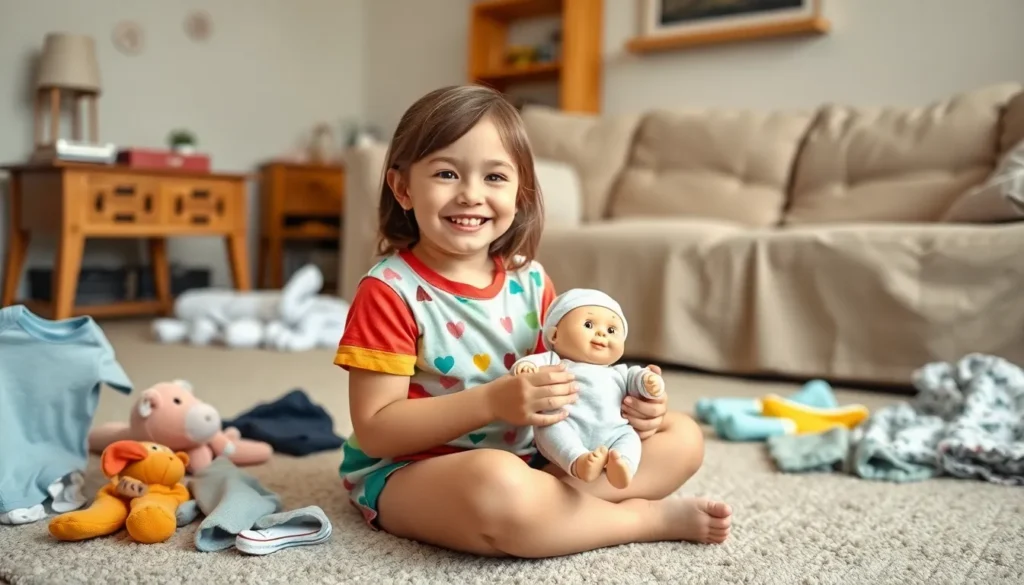
Welcoming a new baby into the family is an exciting time, but it can also bring challenges, especially for older siblings. Preparing them for this big change is crucial to fostering a positive relationship between siblings. With the right approach, parents can help their children embrace their new roles and feel included in the journey ahead.
Sibling preparation involves more than just discussing the arrival of a new baby. It’s about nurturing emotional readiness and helping older siblings understand what to expect. By engaging them in the process, parents can ease anxieties and promote a sense of responsibility and love. This article explores effective strategies for ensuring that both the new baby and older siblings thrive in their evolving family dynamic.
Understanding Sibling Preparation
Sibling preparation involves equipping older siblings with the tools and knowledge to embrace their new roles. This approach promotes harmony and fosters a supportive environment within the family.
Importance of Sibling Preparation
Sibling preparation is crucial for several reasons. Emotional readiness helps older siblings adjust to the arrival of a new baby. It minimizes jealousy, reduces anxiety, and encourages positive feelings. Educating siblings about what to expect creates realistic expectations, which lessens fears associated with the change. By preparing older siblings adequately, parents set a foundation that supports healthy relationships and encourages a sense of responsibility.
Key Concepts in Sibling Preparation
- Communication: Open dialogue about the baby fosters understanding and trust. Discussing feelings and concerns encourages older siblings to express themselves.
- Involvement: Including older siblings in preparations, like choosing baby names or decorating the nursery, promotes a sense of ownership and excitement.
- Education: Teaching older siblings about newborn care through books or videos helps demystify the baby’s experiences. Understanding feeding, sleeping, and diaper changes makes the new sibling less intimidating.
- Individual Attention: Providing quality time for older siblings reassures them of their importance. This attention helps them feel valued amidst the change.
- Gradual Transition: Introducing changes gradually, such as adjusting routines or introducing baby items, allows older siblings to adapt without feeling overwhelmed.
Strategies for Effective Sibling Preparation
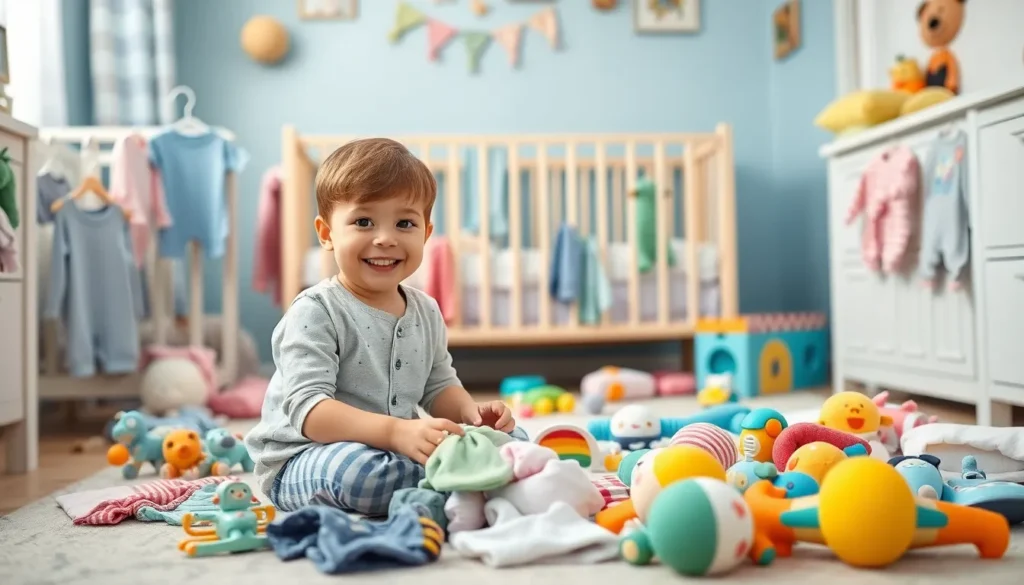
Effective sibling preparation strategies help manage expectations and create a supportive environment for older siblings. These approaches promote understanding and emotional security during the transition to a new family dynamic.
Communicating with Siblings
Communicating openly with older siblings fosters understanding and emotional readiness. Parents should engage in conversations about the new baby, addressing feelings and concerns directly. Encouraging questions helps siblings express their emotions. Using age-appropriate language ensures the information is accessible. Acknowledging their feelings validates their experiences and demonstrates empathy. Regular check-ins about their thoughts and worries keep communication lines open and promote a healthy emotional connection.
Involving Siblings in Activities
Involving older siblings in baby preparations builds excitement and fosters responsibility. Assigning age-appropriate tasks, such as selecting baby clothes or decorating the nursery, gives them a sense of ownership. Engaging them in discussions about names or planning activities can help instill pride in the new role. Allowing participation during prenatal appointments or childbirth classes familiarizes them with the process. Creating a sibling “welcome home” project, like a special gift for the new baby, encourages enthusiasm and strengthens the family bond.
Resources for Sibling Preparation
Accessing the right resources can significantly aid in preparing older siblings for the arrival of a new baby. Various books, literature, workshops, and classes provide valuable insights and techniques to help families navigate this transition smoothly.
Books and Literature
Numerous books cater to older siblings, offering relatable stories and important lessons. Notable examples include:
- “I’m a Big Brother” by Joanna Cole: This book gives a child’s perspective on having a new sibling, celebrating the role of being a big brother.
- “Big Brothers Are the Best” by Franny Billingsley: This title emphasizes the fun aspects of being an older sibling through engaging illustrations and simple text.
- “The New Baby” by Mercer Mayer: This book follows the Little Critter character as he adjusts to the arrival of a new sibling, exploring feelings and experiences.
These resources create an interactive way for children to understand their feelings while preparing them for their new responsibilities.
Workshops and Classes
Participating in workshops and classes offers hands-on experiences for older siblings. Effective options include:
- Sibling Preparation Classes: Many hospitals and community centers provide classes that teach children about newborn care, helping them feel included and informed.
- Family Workshops: These sessions often promote family bonding through engaging activities that include both parents and siblings, fostering teamwork and support.
- Online Parenting Webinars: Virtual workshops covering sibling preparation strategies provide flexibility for families, allowing them to access information at their convenience.
Engaging in these workshops enables older siblings to ask questions, build confidence, and learn how to express their emotions during this significant family transition.
Common Challenges in Sibling Preparation
Sibling preparation presents various challenges that require attention to ensure a smooth transition for all family members. Recognizing these challenges helps families foster positive sibling relationships and ease the adjustment process.
Emotional Reactions
Emotional reactions can vary widely among older siblings when anticipating a new baby. They often experience a mix of excitement, anxiety, and uncertainty. Some siblings might feel neglected or fearful of losing parental attention. It’s important for parents to validate these feelings, encouraging open discussions about emotions. This acknowledgment allows siblings to express concerns, promoting emotional readiness as they approach their new roles. Providing reassurance and emphasizing the family’s love helps siblings feel secure in the changing dynamics.
Addressing Jealousy
Addressing jealousy is crucial for creating a harmonious family environment. Older siblings may display behaviors such as regression, irritability, or attention-seeking actions, stemming from feelings of jealousy. To combat this, parents can engage older siblings in baby-related activities, reinforcing their value in the family. Recognizing and celebrating their contributions can diminish feelings of rivalry. Additionally, maintaining one-on-one time with each sibling fosters individual relationships, allowing them to feel cherished despite the new baby’s arrival.
Preparing older siblings for the arrival of a new baby is an essential step in nurturing family dynamics. By fostering emotional readiness and clear communication parents can help ease anxieties and build excitement. Involving siblings in preparations and providing them with resources creates a sense of responsibility and pride in their new role.
Addressing challenges like jealousy and emotional reactions is crucial for a smooth transition. By validating feelings and maintaining individual attention parents can reinforce each child’s importance in the family. With thoughtful preparation and support older siblings can embrace their new roles with confidence and love, paving the way for a positive sibling relationship.